A parent who grumbles about the news, a neighbor, or an old family story: the most common reflex is to turn the volume down, change the subject, wait for it to pass. A book about old age says the opposite of this reflex: this anger does not always need calming down. It may be what keeps a parent going.
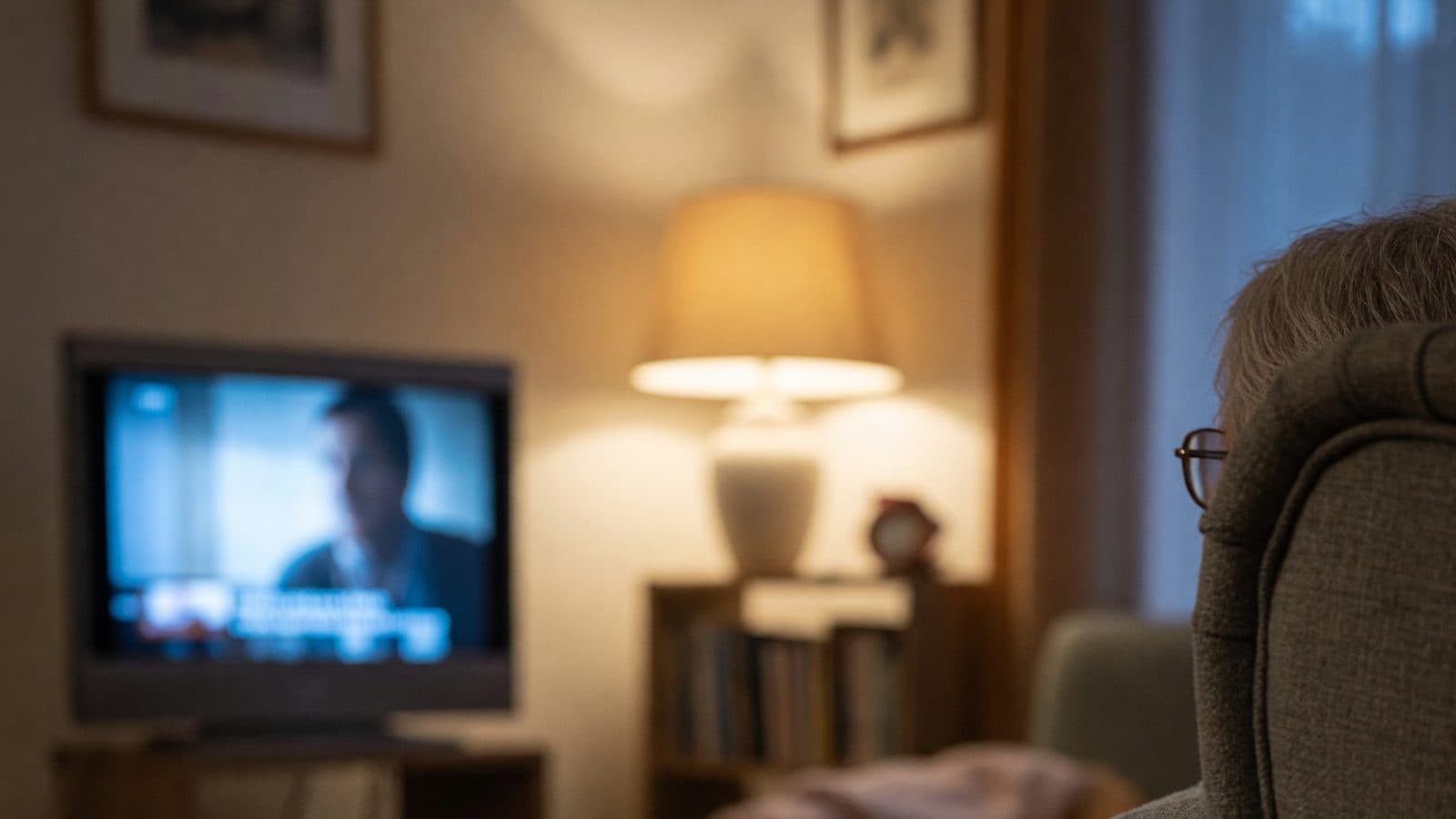
A scene in Help! Who's Going to Take Care of My Parents? puts this reflex to the test: a parent who gets irritated at a politician on TV. The book says the opposite of the soothing gesture: "let them get irritated! They know this emotion." 👉 Help! Who's Going to Take Care of My Parents?

Question 1
No, not every time. The most common reflex is to turn the volume down, change the channel, or change the subject. I take the opposite view in Help! Who's Going to Take Care of My Parents?: "If your parent gets angry when they hear one particular politician on TV, let them get irritated! They know this emotion."
This reflex comes from a good intention: you want to spare them from getting worked up, you want peace in the living room, you want to protect them from themselves. But soothing at all costs has a cost you do not see right away: along the way, you take away a reaction that belongs to them.
This gesture is not about letting a conflict take hold, but about letting an emotion exist without feeling obliged to put it out. The distinction is subtle: the point is not to encourage anger, but not to treat it as a problem to be solved on the spot.
Question 2
The same principle applies beyond the TV: the book also advises against keeping away the people a parent finds tiresome. "Don't try to keep away the people your parent finds unpleasant." A relationship that irritates is still a relationship, and one relationship less is never neutral.
This is often the second reflex, once the first is in place: since a person gets on their nerves, you invite that person less often, you avoid the subject, you screen the visits, always with the same intention: to protect them.
Removing an irritating person from a parent's life is never automatic: that friction sometimes keeps them busy and keeps them connected to the world. Systematically removing what bothers them also means removing what gets them talking, and what gives them something to dwell on.
Question 3
Because an emotion considered negative can also, sometimes, give something to hold on to. The book says it plainly: "conflict makes it possible to keep an anchor, to feel that you exist, to be alive." The point is not to encourage a disagreement, but to explain why some people keep coming back to it.
A recurring argument, a repeated irritation at the same thing are not always signs of wear: they can be habits that give a day its structure, just like a walk or a meal at a set time.
So an "anchor" is not judged only by its content (a politician, a neighbor, an old family story) but by its regularity. That regularity is what gives a parent the feeling of carrying on a life that is like them.
Question 4
Because this question comes up before the crisis, not after it. When a fall or a diagnosis happens to a parent, "it is not inevitable, but it marks the beginning of a series of complications," and it is often their social life, more than their health, that takes the biggest hit.
An ordinary habit shows it: when a parent who goes to the market every week finds themselves laid up for a few months, the difficulty is not only physical. It also affects a habit that fades away, along with the meaning it carried. "When the routine fades away, so does the meaning that carried it…"
Rather than something inevitable, this is a moment when you can still act, because nothing has tipped over yet. Waiting for the accident to take an interest means discovering, in a rush, what you could have observed calmly beforehand.
Question 5
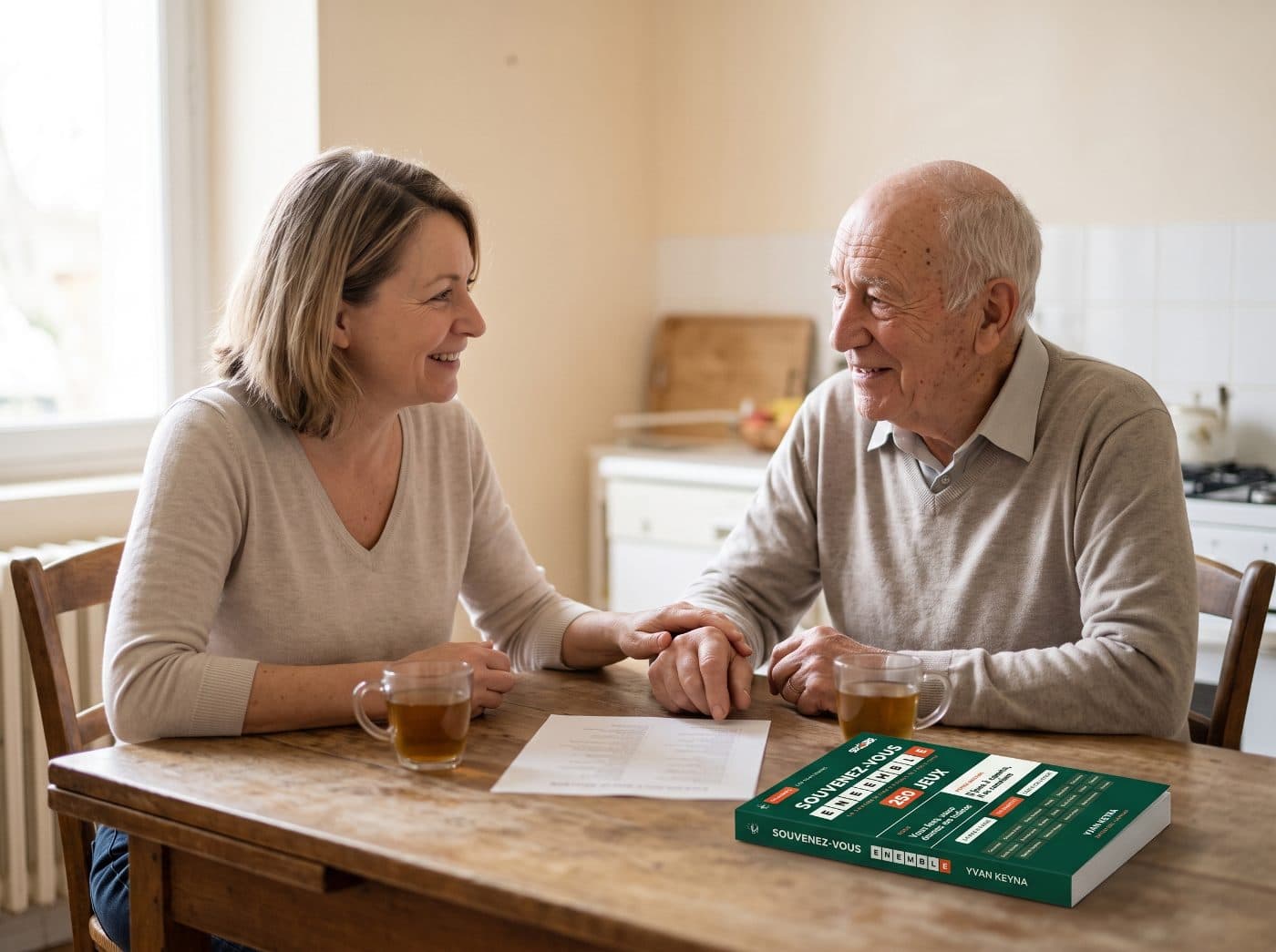
Two questions, taken from the same chapter, are enough to start: "Who, among the people around them, could irritate them, but whom they kept seeing anyway?" and "What made them angry or sad?". Asking them during an ordinary visit requires no appointment and no special preparation.
The book includes them in a longer list, designed to map out what gives meaning to a parent's life: their habits, their pleasures, their connections. A concrete example shows it: a parent who liked to say hello to the butcher may have stopped doing it alone, precisely the detail these questions let you spot. These two questions go straight to what irritates, annoys, makes them angry: they are not looking for a problem to solve, they are looking for a map.
These questions fit at the table, in the car, or during a walk, with no need to announce them as a serious subject. They serve a precise purpose: to recreate, later on, moments that are like the ones that mattered to them.
What this text does not do. It says nothing about anger that turns into violence, or about irritation caused by a disorder identified by a health professional: these two situations fall outside the scope of a book, and call for advice this text does not give.
This principle (planning ahead by asking questions, rather than waiting for an accident and improvising) runs through an entire passage of my book Help! Who's Going to Take Care of My Parents?, which I signed as Yvan Keyna. 👉 Help! Who's Going to Take Care of My Parents?
The next time the volume goes up a little too much at your home, the question is no longer how to calm your parent down, but what they are trying to keep alive by getting irritated. You do not have to put out this anger: you can let it pass.
Sources used (1)