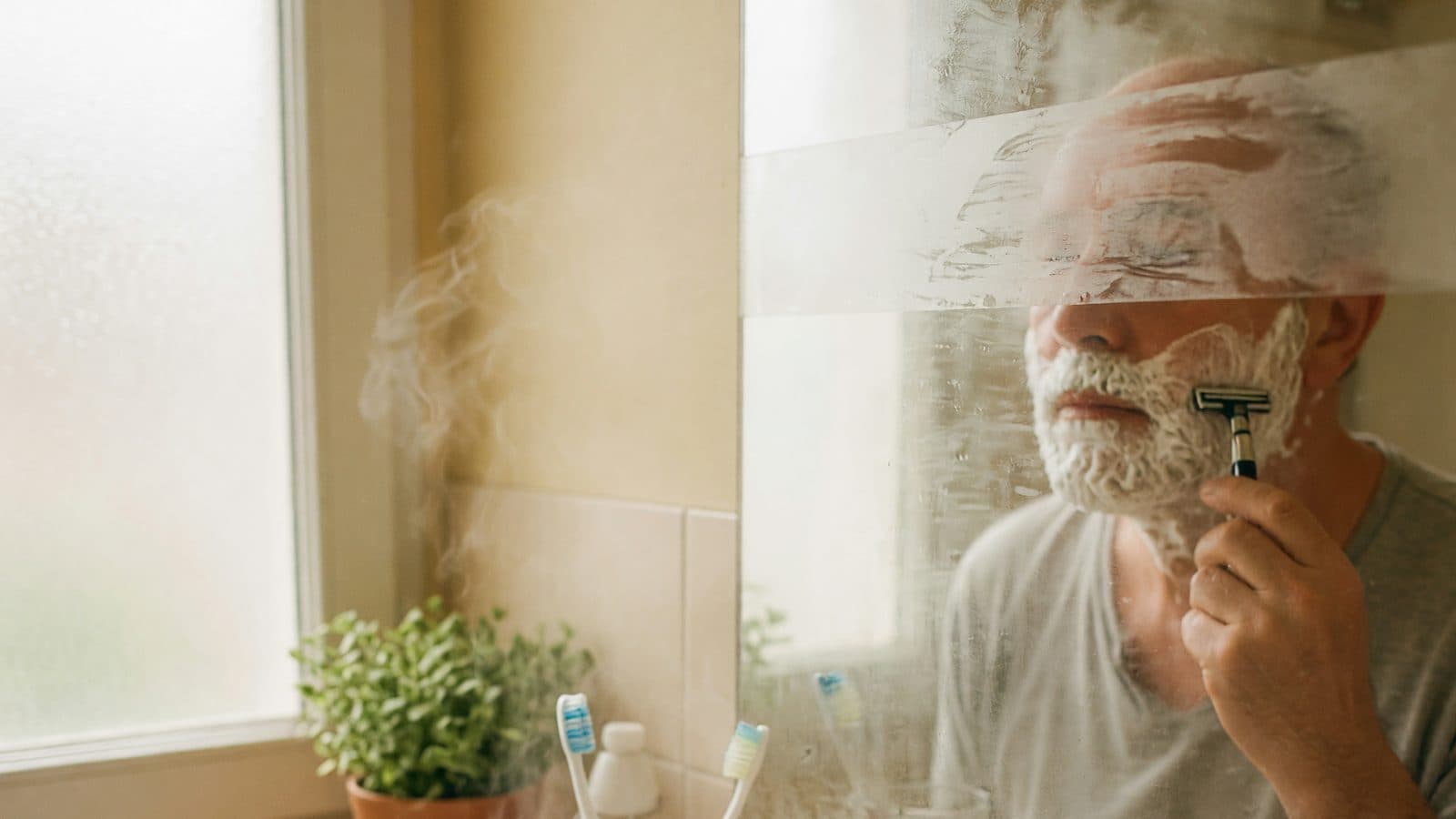
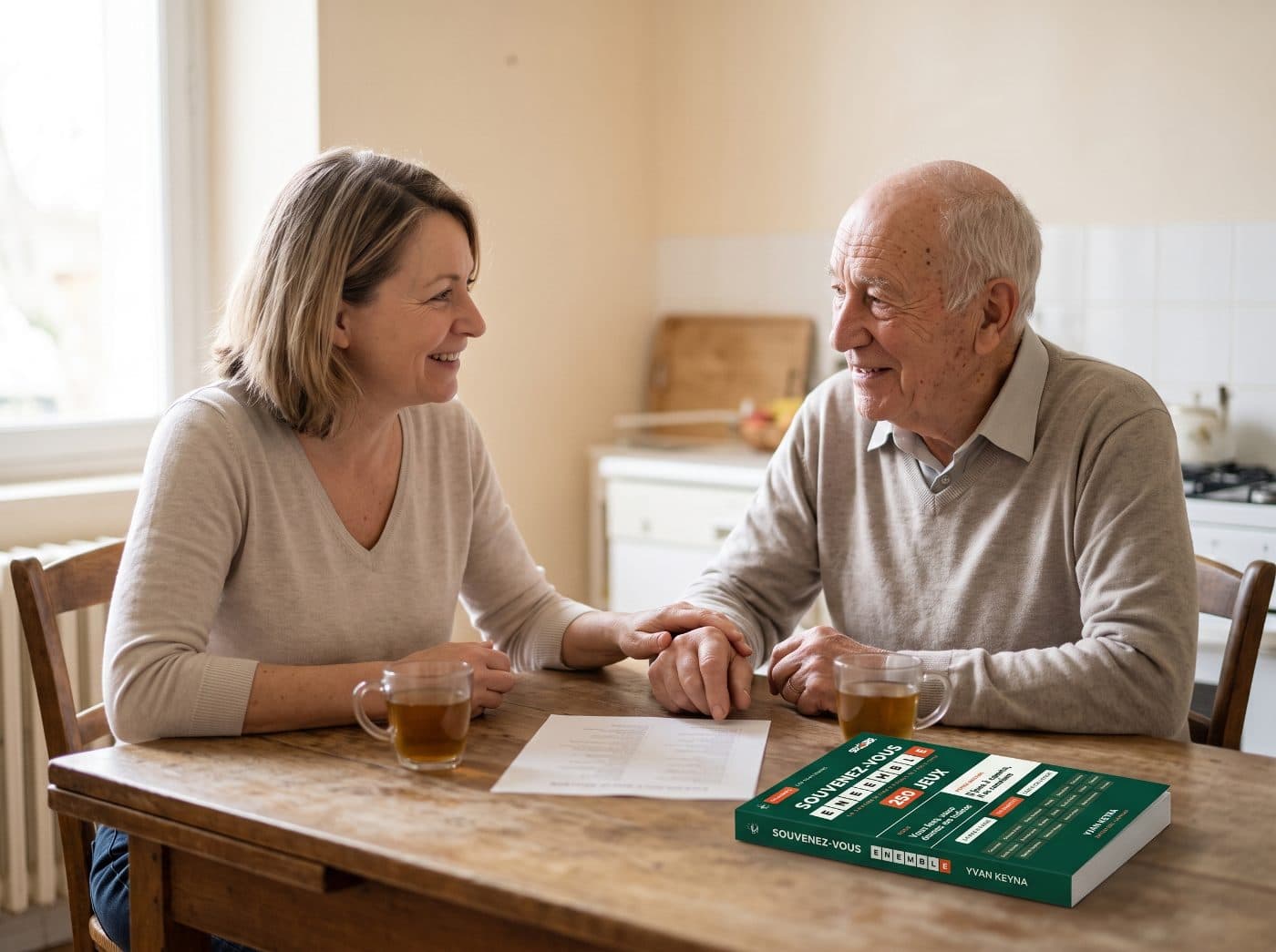
A parent aged 75 or older has less and less control over their own old age: they no longer decide much about how they want to grow old, or about what they refuse to endure. I turn the question around, and I tell you where to start, for yourself.
This chapter, in Help! Who's Going to Take Care of My Parents?, turns around a question usually asked of an aging parent: aging well begins with physical, mental and emotional health, before the people around you. Three simple tests, one daily reference point, a routine rather than a goal — here is where to start, concretely.

Question 1
“Your parent no longer has much time to decide how they want to ‘age well’ and what they do not want to endure.” The book goes on with a question addressed, this time, to the reader: “And you? Do you agree that if you have to take care of your parent today, then you have the years they no longer have?”
This shift changes the subject in a single line: from a parent, to you. Nothing in the text blames the reader for never having asked the question for themselves — the person addressed changes once, without judgment.
This reversal opens the chapter, in Help! Who's Going to Take Care of My Parents? — an essay on what happens when a parent starts to grow old.
👉 Help! Who's Going to Take Care of My Parents?
Question 2
Not ten years younger, not friends, not a thriving family around you: “‘aging well’ begins above all with having excellent physical, mental and emotional health.”
The words that change everything are “above all.” The people around you still count — they come after, not before. Once this sentence has been read for your parent, it can be reread for yourself: the question of physical, mental and emotional health does not only concern the person you visit on Sundays.
Question 3
Not a program, a starting point: a complete blood panel, a urine test, a stool test — three tests the book points to as often neglected.
“Ask your doctor for a comprehensive blood panel, along with a urine test and a stool test.”
- A comprehensive blood panel
- A urine test
- A stool test
This is a statement from my book, not a medical recommendation from this article: the question belongs to your doctor, the only judge of whether it is relevant for you. Nothing here takes the place of a medical visit.
Alongside this checkup, a marker that is easier to keep up: “regularly note how easily you climb ten stairs, to keep track of your physical abilities.”
Question 4
No program to stick to: a method in three steps, designed for someone who has never managed to get into it seriously.
The first step picks a starting point: “Choose a short video on YouTube, between 7 and 15 minutes long, of yoga, stretching, dance or fitness, whatever you feel like.” Three to five minutes is enough to start, and the basic routine never goes beyond fifteen minutes.
The second step comes down to an outfit: “Put on comfortable, practical workout clothes in under two minutes.” It becomes a trigger — once you are dressed, there is no excuse left to look for.
The third step attaches the new habit to a habit already in place, the morning coffee or brushing your teeth: a routine placed just before or just after a well-anchored action settles in without any effort of memory.
A five-minute habit can seem trivial if you hope for a result. The book corrects the goal: “the point is not to get results, but to get yourself moving, to be ready!”
Question 5
The book distinguishes two kinds of stress that look alike on the surface: the one that wears you down, and the one that builds strength. “A small stress, a moderate constraint, triggers adaptation mechanisms in the body that make it stronger.”
A brief exposure to cold, a one-day fast, a slight disagreement you dare to voice: examples from the book, not prescriptions to follow to the letter. What sets them apart from a stress that destroys comes down to a single question, asked by the book itself: “Is what I am going through unpleasant, or simply uncomfortable?”
Accepting this measured discomfort is not a punishment — it is a choice, repeated, that builds your ability to handle the unexpected. “You never put yourself in danger. You choose a situation that is uncomfortable, but not unpleasant.”
Question 6
The second option, plainly: “find your own routines, the ones you can keep throughout your life” — not goals.
A goal is measured in success or failure, with a deadline to meet. A routine is repeated, with no pass-or-fail test — you keep it, you adjust it, it survives a bad week without you having to start over from the beginning.
Here again, the point is not to do everything right away: these are routines kept up over years, not New Year's resolutions.
One last line of the chapter says it plainly: “It will become a conscious part of your daily life without ever needing to be perfect.” A permission, not one more demand.
Question 7
The book asks a question to imagine just once: to collect several million euros, you have to get to the hospital within fifteen minutes and sign a paper — but a hemorrhage threatens to kill you within those same fifteen minutes if you are not treated. “What do you choose? You rush to the hospital, of course.”
Nobody would hesitate. And yet, that same urgency vanishes as soon as it comes to a blood panel that can wait a month, a routine pushed back to next week, an appointment postponed for lack of time.
It is not a lack of willpower: nothing, day to day, makes visible what this delay costs. A routine set up now is not felt — it gets noticed years later, in what it prevented.
The years you still have, unlike your parent, are also played out at this level: in what gets decided now, not in what you promise yourself you will do someday.
What this article does not do. It does not replace any medical advice: the question of the three tests belongs to your doctor, not to this text. Nor does it say how to bring up the subject with a brother or sister who does not see it the same way — that subject remains wide open, and it would deserve a text of its own.
I develop this reversal — from the parent to the person reading — in my book Help! Who's Going to Take Care of My Parents?, which I signed as Yvan Keyna, in the chapter devoted to taking care of yourself.
👉 Help! Who's Going to Take Care of My Parents?
Sources used (1)